






Warwick Avenue sofa removal and rubbish clearance service
Posted on 22/05/2026
Warwick Avenue sofa removal and rubbish clearance service: a practical local guide for homes, flats, and landlords
If you need a sofa gone quickly, without lifting it through a tight hallway or worrying about where it should end up, you are in the right place. A Warwick Avenue sofa removal and rubbish clearance service is exactly what it sounds like: a local, straightforward way to remove bulky furniture and clear unwanted waste from homes, flats, offices, and managed properties around Warwick Avenue and the wider Maida Vale area.
Truth be told, sofas are rarely "just a sofa". They are heavy, awkward, often too large for the lift, and usually sitting in the one room you most need to keep clear. Add in other bits of rubbish, packaging, old chairs, broken tables, or general clutter, and the job becomes a lot more than a quick tidy-up. This guide explains how the service works, when it makes sense, what to expect, and how to avoid the small mistakes that can turn a simple clearance into a stressful morning.
For readers comparing local options, it also helps to understand the broader service picture. You can explore the full range of support on the services overview page, or see how sofa removal fits within wider rubbish removal in Maida Vale and waste clearance in Maida Vale.
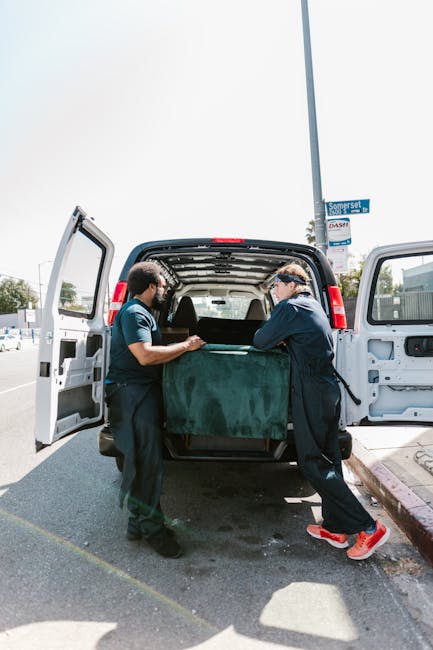
Why Warwick Avenue sofa removal and rubbish clearance service Matters
Sofa disposal sounds simple until you actually try to do it. In Warwick Avenue and nearby streets, many homes are in converted Victorian buildings, mansion blocks, or flats with narrow staircases, shared entrances, and limited parking. That means a bulky item can become a logistical puzzle very quickly.
A proper removal and clearance service matters because it does three jobs at once: it removes the heavy item safely, it clears surrounding rubbish at the same time, and it reduces the chance of the sofa ending up dumped in the wrong place. That last part matters more than people sometimes realise. Fly-tipping is unsightly, disruptive, and can create problems for residents, landlords, and managing agents alike.
There is also the time factor. If you are moving out, replacing furniture, preparing a rental property, or doing a quick refresh before guests arrive, a sofa taking up half the room is not a minor inconvenience. It blocks access, slows cleaning, and can make a space feel oddly unfinished. A clean removal gives you breathing room again. Simple, really.
For property owners and landlords in the wider area, this can tie into broader upkeep and presentation. If you are thinking more generally about local property care, our articles on Maida Vale living and the character of the neighbourhood offer useful context on why presentation matters in this part of London.
How Warwick Avenue sofa removal and rubbish clearance service Works
Most sofa removals follow a fairly clear process, even if every property presents its own little quirks. The good news is that a good team will usually handle the awkward parts for you.
In practice, the service usually starts with a description of what needs collecting. A sofa on its own is one thing; a sofa plus armchair, rugs, packaging, a broken chest of drawers, and a few bin bags is another. Accurate information helps with vehicle choice, staffing, timing, and quoting.
Then comes access planning. This is especially important around Warwick Avenue because access can be the real challenge, not the sofa itself. Is there a lift? Are there shared corridors? Are there parking restrictions? Is the item coming from a basement flat, a top floor flat, or a rear mews property? The answers shape the job.
On collection day, the team will usually assess the item on site, confirm the final scope if needed, and then remove everything in a controlled way. Good practice includes protecting walls and door frames where needed, using the right lifting technique, and avoiding damage to communal areas. It should look calm from the outside. Not chaotic, not rushed, just efficient.
Once collected, the waste should be sorted responsibly. Sofas often contain mixed materials such as timber, foam, textiles, metal springs, and fabric. A careful clearance provider will separate recyclable elements where possible and dispose of the remainder through proper waste channels. If sustainability matters to you, it is worth checking a provider's approach to recycling and sustainability.
Key Benefits and Practical Advantages
The main benefit is obvious: the sofa disappears. But there is a lot more to it than that.
- Less physical strain: sofas are heavy, ungainly, and easy to injure yourself moving if you are not used to it.
- Faster turnaround: one visit can clear the sofa and any surrounding rubbish in one go.
- Better use of space: a cleared room feels larger, cleaner, and easier to stage, clean, or redecorate.
- Reduced risk of damage: professional handling can help avoid scuffed walls, bent banisters, or scratched floors.
- Proper disposal: the item is dealt with through legitimate waste routes rather than left in a communal area or dumped locally.
- Convenience for busy households: if you are juggling work, children, or a move, getting the job done in one appointment is genuinely helpful.
There is also a quieter benefit: peace of mind. You know the job is done, and you do not have to spend the next three evenings staring at a sofa in the hallway thinking, "I'll sort that later." We've all had one of those jobs hanging around far too long.
For larger clearances or mixed waste, a sofa collection can often sit alongside other services such as house clearance in Maida Vale or even office clearance if the furniture came from a work space, studio, or short-let setup.
Who This Is For and When It Makes Sense
This service is useful for a surprisingly wide range of people. It is not just for large-scale moves or renovation projects.
Homeowners and tenants
If your sofa is old, stained, damaged, or simply no longer fits the room, it may be easier to remove it professionally than to wrestle it downstairs yourself. Tenants often need fast removals before check-out, especially when replacing furniture or clearing the property in stages.
Landlords and letting agents
In rental properties, furniture turnover happens all the time. A sofa may need to be removed between tenancies, after a tenant change, or before new furnishings arrive. Speed matters here, but so does reliability. Delays can push back cleaning, inventory checks, and viewings.
People downsizing or moving
Moving home is the perfect time to question which items are actually worth taking. If the sofa will not fit in the new place, or if the new layout makes it redundant, removal can save time and moving costs.
Interior refreshes and refurbishments
Sometimes the sofa is not broken at all. It just no longer belongs in the room. A refurbishment project often starts with one awkward item that needs to go before painters, decorators, or fitters can do their job.
Busy households with mixed rubbish
If the sofa is surrounded by packaging, old cushions, broken lamps, or general household clutter, a combined rubbish clearance is more efficient than booking several separate jobs. That is especially true when the space needs to be made usable again in a hurry.
Warwick Avenue sits within a part of London where properties can be compact, well-used, and access-sensitive. If you are nearby in Little Venice, you may also find the local perspective in this guide to Little Venice rubbish removal useful.
Step-by-Step Guidance
If you want a smooth sofa removal, a little preparation goes a long way. Nothing dramatic. Just sensible planning.
- Identify everything that needs collecting. Include the sofa, cushions if they are going, and any additional waste nearby.
- Check access routes. Look at stairwells, tight corners, door widths, lift size, and whether items need to pass through communal areas.
- Take simple measurements. Width, height, depth, and any awkward armrests can help avoid surprises on the day.
- Ask about parking and arrival timing. In busy London streets, collection timing can matter more than you expect.
- Clear a path. Move small items, shoes, lamps, and fragile objects out of the way first.
- Separate anything staying behind. This avoids accidental removal of items you still need.
- Confirm disposal expectations. Responsible handling, recycling where possible, and transparent pricing all matter.
If the sofa is in good condition, some people consider reuse or donation. That can be appropriate in some cases, but to be fair, once a sofa is damaged, heavily worn, damp, or structurally compromised, disposal is usually the more realistic option. You do not want to be "donating" a sofa that somebody else would immediately have to tip.
After the collection, give the room a quick check. Under cushions, behind radiators, and along the skirting boards tend to reveal forgotten bits of junk. It is a small thing, but it saves repeat trips down the stairs later.
Expert Tips for Better Results
Here are the little details that make a clearance smoother. They are not flashy, but they matter.
- Photograph the item before booking. Especially useful if the sofa is unusually large, damaged, or part of a bigger clearance.
- Measure tight turns, not just the sofa. Doorways are obvious; the staircase bend can be the real problem.
- Group waste by type if you can. Keeping bulky furniture separate from smaller rubbish helps the team plan the load.
- Tell the provider about access restrictions. If there is no parking nearby or a narrow entrance, say so early.
- Choose a time when communal areas are quieter. That can reduce disruption for neighbours and make the move easier.
- Ask about recycling routes. A provider with a clear sustainability approach is usually a good sign.
One small but useful tip: if your sofa has removable legs or detachable sections, take them off in advance only if you are sure you can reassemble or dispose of them correctly. Otherwise, leave it alone. Half-dismantled furniture can become more awkward, not less.
If you are comparing providers, it can also help to review practical details such as pricing and quotes and the company's approach to insurance and safety. Those pages are often where the real trust signals live.
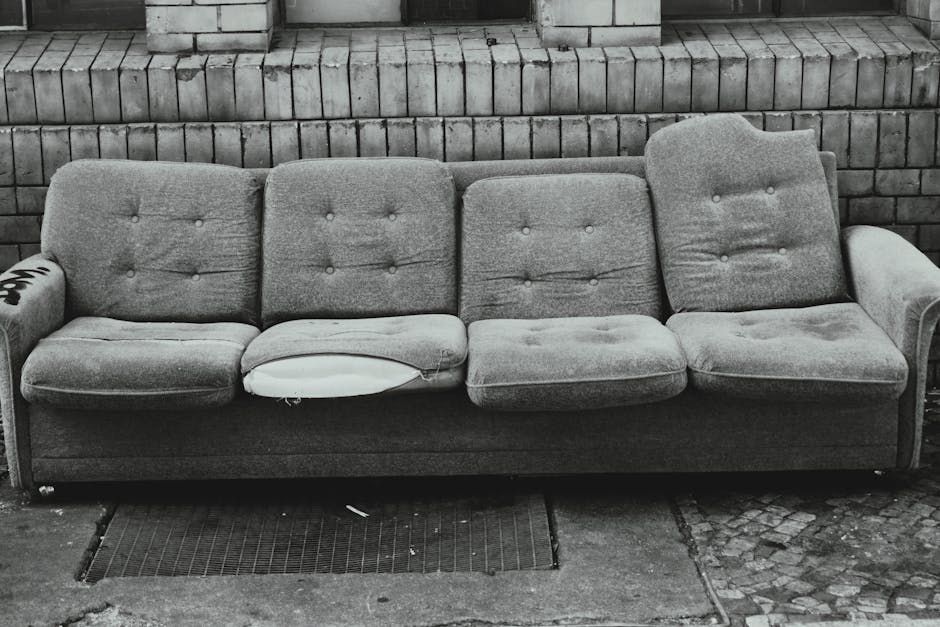
Common Mistakes to Avoid
A sofa clearance is usually straightforward, but a few avoidable mistakes can cause unnecessary hassle.
Underestimating access
People often focus on the item and forget the route out. A sofa that looks manageable in the living room can become a problem at the staircase corner. It happens more than you'd think.
Not telling the provider about other waste
If you mention only the sofa and then add six bags of rubbish on the day, the quote or timing may no longer fit the job. Be upfront from the start.
Leaving it until the last minute
This is especially common before tenancy end dates, removals, or refurbishments. Last-minute clearances are possible, but they add pressure. A calmer plan is usually better.
Assuming all items can go together
Some waste streams need separate handling. Mixing everything into one pile without asking first can create delays or compliance issues.
Choosing on price alone
Everyone wants a fair price. Of course. But the cheapest quote is not always the best value if it comes with vague service terms, poor communication, or sloppy disposal practices.
A good rule of thumb? If the answer feels too casual, ask one more question. Better now than when the sofa is halfway down the stairs.
Tools, Resources and Recommendations
You do not need specialist tools for a professional collection, but a few simple things can make the process easier.
- Tape measure: useful for checking sofa dimensions and access points.
- Phone camera: quick photos help with quoting and planning.
- Protective gloves: handy if you are moving small surrounding items yourself.
- Furniture sliders or blankets: useful only for light repositioning, not for forceful lifting of a large sofa.
- Bin bags or boxes: for cushions, loose rubbish, and small items you want removed with the main collection.
For service-related reading, the company's about us page can help you understand the people behind the service, while our services provides a broader view of what is available. If you want confidence around payment handling, the payment and security page is also worth a look.
And if your clearance is part of a bigger tidy-up, you may also need support with builders waste disposal or garden waste removal. That is where one coordinated visit can save a lot of back-and-forth.
Law, Compliance, Standards, or Best Practice
For rubbish and bulky waste, the main thing is to use a legitimate, responsible disposal route. In the UK, waste handling should be done carefully, and householders are wise to avoid anyone who suggests dumping items informally or leaving them in a communal area without agreement.
Best practice usually means:
- checking that the service is appropriate for your item type
- making sure waste is taken to a proper facility or handling route
- avoiding fly-tipping and unverified disposal methods
- being clear about who is responsible for what, especially in rental or managed buildings
- keeping communication and paperwork where relevant
If you are a tenant, landlord, or managing agent, it is sensible to read the relevant service terms before booking. The site's terms and conditions and privacy policy are useful reference points. For those who want to understand wider corporate responsibilities, there is also a modern slavery statement published on the site.
Safety also matters on the physical side. Heavy furniture should not be carried in a way that blocks fire exits, damages common property, or puts anyone at risk. If a provider takes safety seriously, that usually shows in the way they plan access and speak about the job. Quiet confidence is a good sign.
Options, Methods, or Comparison Table
Not every sofa needs the same removal method. The right choice depends on access, condition, urgency, and whether you have other waste to clear at the same time.
| Option | Best for | Pros | Limitations |
|---|---|---|---|
| Self-removal | Very small, light items and easy access | No booking required, can be cheap if you already have transport | Heavy lifting, injury risk, parking issues, disposal responsibility stays with you |
| Man and van clearance | Sofas plus mixed rubbish or multiple bulky items | Flexible, quicker, usually more convenient | Needs clear communication about volume and access |
| Bulky-item council collection | Non-urgent disposal where available | Can be suitable for some households | Often less flexible on timing and item handling, and policies vary |
| Full house clearance | Moves, probate, end-of-tenancy, or large refreshes | Covers more than one item, efficient for bigger jobs | Usually unnecessary for a single sofa unless there is a wider clearance |
For many Warwick Avenue properties, the middle option is the sweet spot. It handles awkward access, mixed rubbish, and a single bulky item without turning the job into a full-scale clearance project. Nice and tidy, as it should be.
Case Study or Real-World Example
Picture a typical situation in a Warwick Avenue flat: a three-seater sofa has to go, but it is wedged in a living room with a narrow hallway, a corner turn by the front door, and a few bags of old cushions and packaging waiting nearby. The residents have a work call at 11, the removal window is tight, and the lift is shared with other flats.
In that kind of scenario, the most useful approach is usually simple planning rather than brute force. The sofa dimensions are checked first. The route out is measured. The smaller rubbish is grouped so it can be taken at the same time. The provider arrives ready for access issues, not surprised by them. The item is removed without damage to the hallway, and the room is usable again the same day.
That example sounds ordinary, and that is exactly the point. Good clearance work should feel ordinary. No fuss, no drama, no pile of "we'll sort it later" left by the door.
For anyone moving around the neighbourhood or comparing local service areas, the article on Maida Vale real estate and property investment in Maida Vale may also be useful if your clearance is part of a wider property improvement plan.
Practical Checklist
Use this before booking or on the morning of collection:
- Confirm exactly which sofa items are going
- Note whether there are cushions, throws, or loose parts included
- Measure doors, hallways, lifts, and staircase turns
- Check parking or access restrictions near Warwick Avenue
- Move fragile items out of the route
- Separate any belongings you want to keep
- Ask whether the service can take mixed rubbish too
- Review quote details, including any access assumptions
- Check safety, insurance, and disposal expectations
- Arrange a time that suits the building and your schedule
Practical summary: The best sofa removal jobs are the ones planned around access, timing, and disposal, not just the item itself. If you get those three things right, everything else tends to fall into place.
Conclusion
A Warwick Avenue sofa removal and rubbish clearance service is more than a convenience. For many households, landlords, and local businesses, it is the fastest way to reclaim space, reduce stress, and deal with bulky waste responsibly. In a neighbourhood where access can be tight and time is often short, having a simple, well-run clearance option makes a real difference.
Whether you are replacing old furniture, finishing a move, or clearing a room that has been quietly collecting odds and ends for months, the key is to choose a service that understands the practical side of the job: access, safety, communication, and proper disposal. That is what separates a smooth collection from a messy one.
Get a free quote today and see how much you can save.
And if you are planning more than one clearance task, take a moment to map out the whole job. One good decision now can save you a lot of lifting, waiting, and head-scratching later. Sometimes that is all a space needs: one clean start.



 Tipper Van - Waste Clearance and Rubbish Removal Prices in Maida Vale, W9
 Luton Van - Waste Clearance and Rubbish Removal Prices in Maida Vale, W9